DripTech Eco-Flow | Irrigation equipment in Kenya
HDPE dam liners and water pan lining in Kenya
Farm water pans and excavated reservoirs lose significant water to seepage when left unlined in porous or fractured soils. DripTech Eco Flow supplies UV-stabilized virgin HDPE geomembrane dam liners in 0.5 mm, 0.75 mm and 1.0 mm gauges, together with on-site thermal wedge welding and anchor-trench installation across Kenya.
Choosing the right dam liner thickness (0.5mm, 0.75mm or 1.0mm)
The right geomembrane thickness depends on the soil surface after excavation, water depth, bank slope and whether livestock or equipment could come near the reservoir edge.
Inspect the excavated floor and side slopes before ordering so stones, roots and sharp clay clods are cleared or cushioned with an appropriate geotextile underlay.
| Liner gauge | Typical soil & site condition | Common farm applications |
|---|---|---|
| 0.5 mm (500 microns) | Smooth, fine-textured soil or sand-bedded ponds | Small to medium kitchen-garden pans, lined tanks and fish ponds |
| 0.75 mm (750 microns) | Medium loamy/murram soils with properly dressed slopes | Commercial horticultural water pans and runoff harvesting reservoirs |
| 1.0 mm (1000 microns) | Rocky, coarse, stony or deep high-capacity reservoirs | Large commercial irrigation dams, steep-bank pans and heavy-duty storage |
How to calculate dam liner area for your water pan
Never order a dam liner using only the top length and width of the water pan. The liner must go down the side slopes, across the floor, up the opposite slope and into the perimeter anchor trench on all four sides.
- Measure top length (L), top width (W), maximum vertical depth (D) and slope allowance
- Add at least 1.0 m to 1.5 m on every side for the perimeter anchor trench
- Account for factory or on-site thermal welding overlaps between adjacent roll widths
- Include an inlet silt trap and a safe overflow spillway to protect the liner during heavy rain
Site preparation, thermal welding and installation
DripTech technicians join HDPE dam liner rolls on site using automated hot-wedge and extrusion welding equipment, followed by seam inspection before water filling begins.
Share your excavated top dimensions, bottom dimensions, vertical depth and county location so our team can calculate the total square metres required and prepare an itemised quotation.
Frequently asked questions
Which dam liner gauge is most common for farm irrigation pans in Kenya?
0.5 mm suits smooth soils and smaller pans, 0.75 mm is widely used for general agricultural water pans, and 1.0 mm is recommended where soils are stony or the reservoir is deep.
How are dam liner rolls joined for wide reservoirs?
Rolls are joined on site or in the workshop using thermal hot-wedge welding machines that fuse the HDPE sheets into a continuous watertight seam.
What details do I need to get a dam liner quotation?
Send the top length, top width, bottom length, bottom width, vertical depth, soil type (smooth or stony) and farm location so the exact square meterage, welding and transport can be quoted.
Products you can use for this
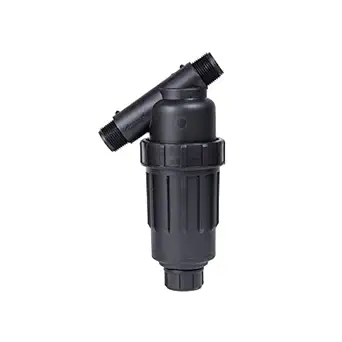 Y-Filter (Plastic, 1”)KSh 2,200
 AquaDrop PC-Flex Pressure Compensating EmitterKSh 950
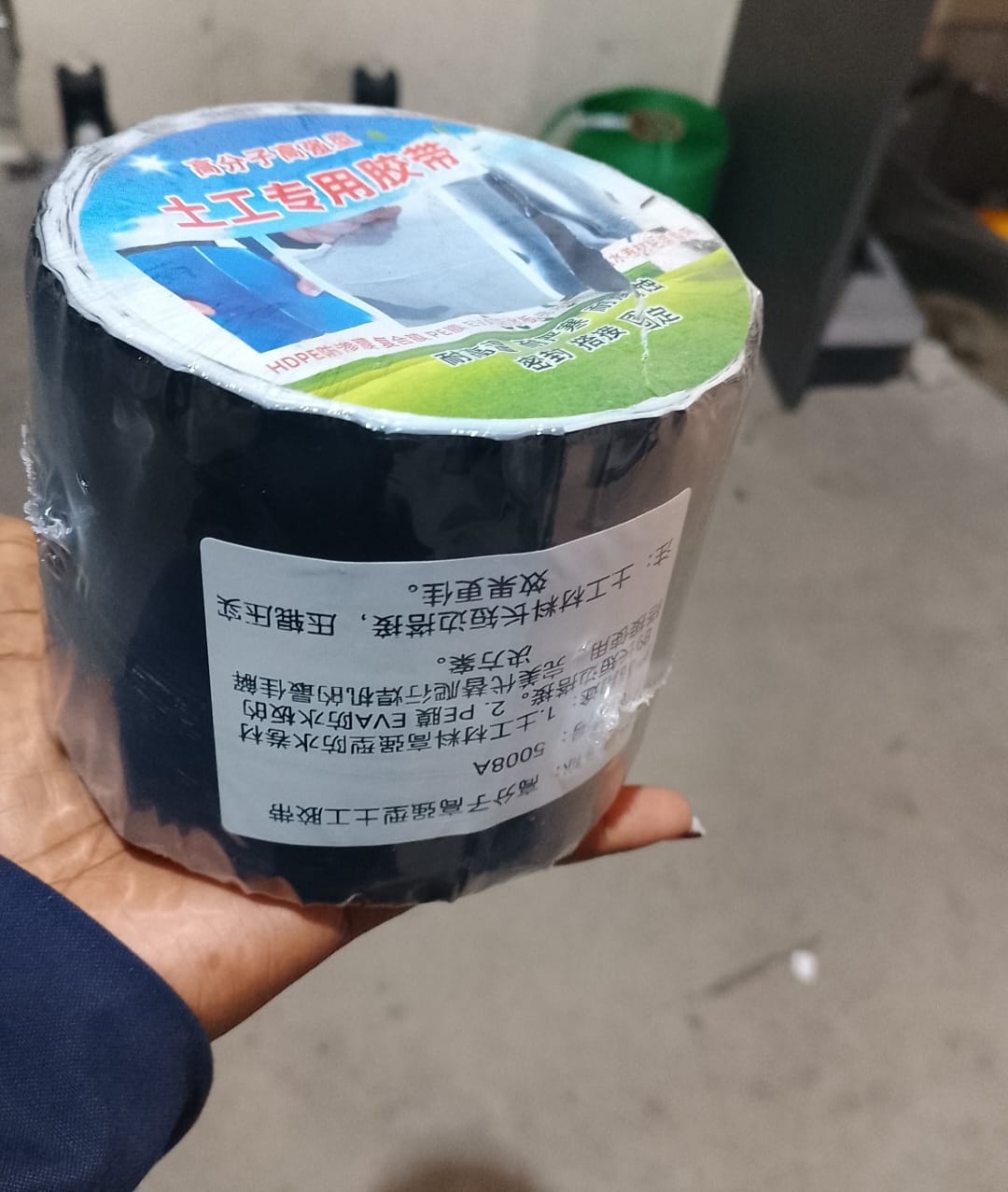
- Dam Liner Repair & Seaming TapeKSh 5,500
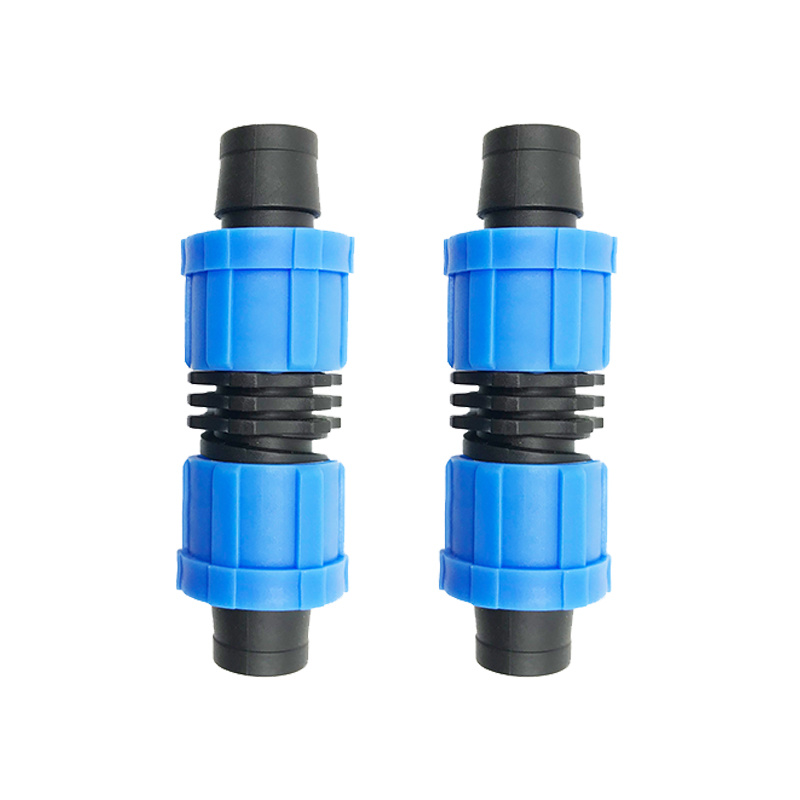 Drip Tech Drip Tape Connector with Lock NutKSh 13
Browse all irrigation products or ask DripTech to size a system for your farm.