DripTech Eco-Flow | Irrigation equipment in Kenya
How Many Solar Panels & Batteries Does Your Irrigation Pump Need?
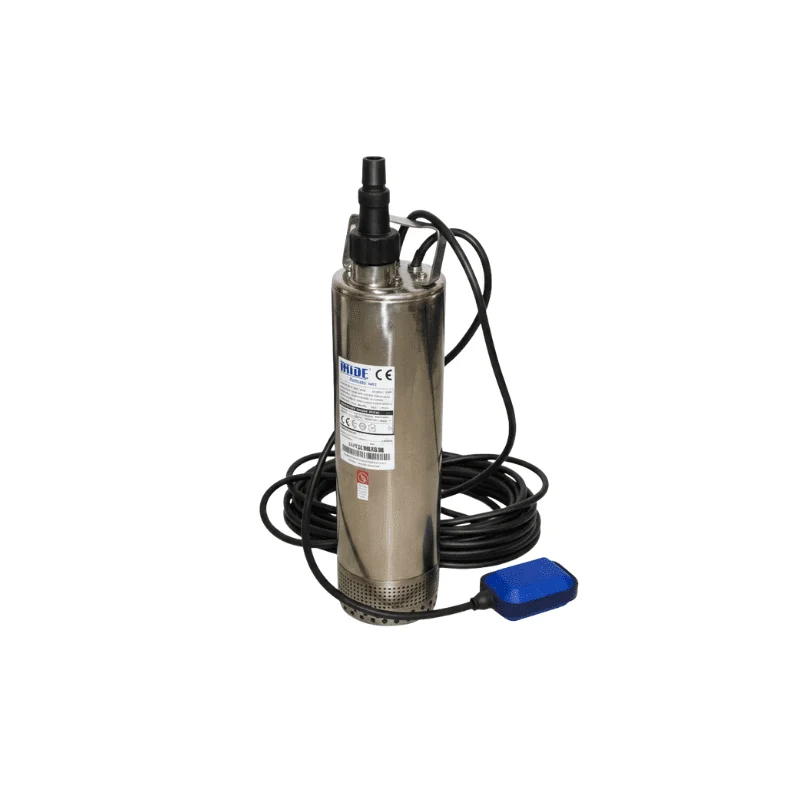
Buying too few solar panels starves the MPPT controller of start-up voltage; wiring too many in series can blow cold-morning Voc limits. Use this reference guide to match minimum vs cloudy-safe panel arrays, choose between Mono PERC, N-Type TOPCon or Bifacial modules, and decide between elevated water tanks vs LiFePO4 battery backup.
Minimum Viable Panels vs Required Design Array (Why They Differ)
Two numbers govern every solar water pump array: electrical string voltage (Vmp hot >= controller minimum, Voc cold <= controller maximum) and daily solar Watt-hours after panel cell temperature and dust derating.
The minimum panel count clears controller startup voltage and pumps water briefly around bright clear-sky solar noon. The required design array sizes ~1.35x to 1.65x of motor Wattage using Kenya's worst cloudy month PSH so your farm delivers its target daily cubic meters reliably all year.
| Pump Power Class | Minimum Noon Start (550W) | Recommended Cloudy-Safe Array | Controller / VFD Topology & Notes |
|---|---|---|---|
| 0.5 HP (370W) Slim DC | 1–2 pcs (600–1,100 Wp) | 2 pcs in series (1,100 Wp) | 24V/48V BLDC MPPT (Voc <= 150V); check cold dawn Voc < limit. |
| 1.0 HP (750W) Solar DC | 2 pcs (1,100 Wp) | 3 pcs in series (1,650 Wp) | 72V/110V BLDC MPPT (Voc <= 220V); ideal for 1/2–1 acre drip. |
| 1.5 HP (1,100W) Solar Hybrid | 4 pcs (2,200 Wp) | 4–5 pcs (2,200–2,750 Wp) | 180V–450V HV BLDC MPPT; fits 1–1.5 acre borehole setups. |
| 2.0 HP (1,500W) Solar Hybrid | 5 pcs (2,750 Wp) | 6–7 pcs in series (3,300–3,850 Wp) | 300V–450V HV BLDC or 220V 1-Phase Solar VFD; 2-acre workhorse. |
| 3.0 HP (2,200W) Solar VFD | 6 pcs (3,300 Wp) | 8 pcs (4,400 Wp) | 300V–450V HV MPPT or 380V 3-Phase VFD (verify Vmp window). |
| 5.5 HP (4,000W) 3-Phase VFD | 10–12 pcs (5,500–6,600 Wp) | 14–16 pcs (14S or 12S-2P ~7.7–8.8 kWp) | 380V–415V 3-Phase Solar VFD (850V Voc max) + Type-2 SPD. |
| 7.5 HP (5,500W) 3-Phase VFD | 14 pcs (7,700 Wp) | 20–24 pcs (12S x 2P = 11–13.2 kWp) | 6-inch estate borehole with >=6 m3/h driller yield verification. |
Which Type of Solar Panel Should You Buy in Kenya?
Solar panel wattage is only half the story. Module cell chemistry determines how fast output drops at 55–65C cell heat in Turkana or Machakos, and how early your borehole starts pumping on cloudy mornings in Nyeri or Kericho.
| PV Module Chemistry | Typical Module Power | Efficiency & Heat Loss | Best Kenyan Farm Application |
|---|---|---|---|
| Mono PERC Half-Cut | 410W, 455W, 550W | ~21.2% eff | -0.34%/C | Best all-round value and spares availability across Kenya; standard 550W borehole module. |
| N-Type TOPCon | 585W, 605W | ~22.6% eff | -0.29%/C | Superior overcast low-light harvest and lower thermal drop in arid ASAL counties. |
| Bifacial Dual-Glass | 605W, 660W, 700W | +7% to +12% rear gain | Raises total harvest over light concrete pads/gravel and cuts rack pole count on 5–15 HP arrays. |
| Polycrystalline (Legacy) | 330W–340W | ~17.5% eff | -0.40%/C | Avoid for new builds unless replacing single matched modules; needs larger steel mounting frames. |
Battery Bank Sizing vs Water Tank Storage: Honest Cost Advice
For almost all borehole and sprinkler farms >= 1.5 HP (1.1 kW), storing pumped water inside an elevated 10,000–50,000 L tank or HDPE-lined water pan is 3x to 5x cheaper than installing a large battery bank.
Batteries make strong technical sense for smaller 0.5–1.5 HP DC systems running dawn/night greenhouse misting, fertigation dosing pumps, or irrigation timer valves—provided Depth of Discharge (DoD) and inverter motor surge ratings are sized properly.
| Battery Type | Usable DoD & Cycles | Maintenance & Limits | When to Select |
|---|---|---|---|
| LiFePO4 Lithium (51.2V 100Ah / 200Ah) | 85% DoD | ~6,000 cycles | Zero maintenance; integrated BMS handles high efficiency (96%). | Best overall choice whenever batteries are truly needed (greenhouses, misting, frequent cycling). |
| OPzS / Tall Tubular Flooded (12V 220Ah / 2V) | 50% DoD | 1,400–2,500 cycles | Needs vented rack & quarterly distilled water top-up. | Lower initial budget for supervised rural stations needing rugged deep cycles. |
| Sealed Gel / AGM VRLA (12V 100Ah / 200Ah) | 50% DoD | 600–800 cycles | Degrades rapidly above 30C or deep daily pump discharge. | Limit strictly to low-amp irrigation valve controllers, sensors & occasional emergency light backup. |
Frequently asked questions
What is the minimum number of 550W panels needed for a 2 HP solar borehole pump?
A 2 HP high-voltage solar controller (180V–450V MPPT) typically needs at least 5 × 550W panels in series (~209V Vmp) just to start at noon, and 6–7 × 550W panels (3,300–3,850 Wp) to sustain full daily delivery during Kenya's cloudy Jun–Jul season.
Should I buy batteries or a bigger water tank for solar farm irrigation?
For pumps >= 1.5 HP (1.1 kW), pump into an elevated tank or HDPE-lined water pan during peak sunshine hours—storing water costs far less over 10 years than replacing deep-cycle batteries. Reserve LiFePO4 batteries for greenhouse night misting, automated dosing, or small DC nursery pumps.
Which lasts longer for solar pumping: LiFePO4 Lithium or Tubular/Gel batteries?
LiFePO4 lithium packs safely cycle to 85% depth of discharge for ~6,000 cycles (10+ years of daily service), whereas sealed Gel batteries average 600–800 cycles at 50% discharge and suffer sharply in high-temperature sheds.
Products you can use for this
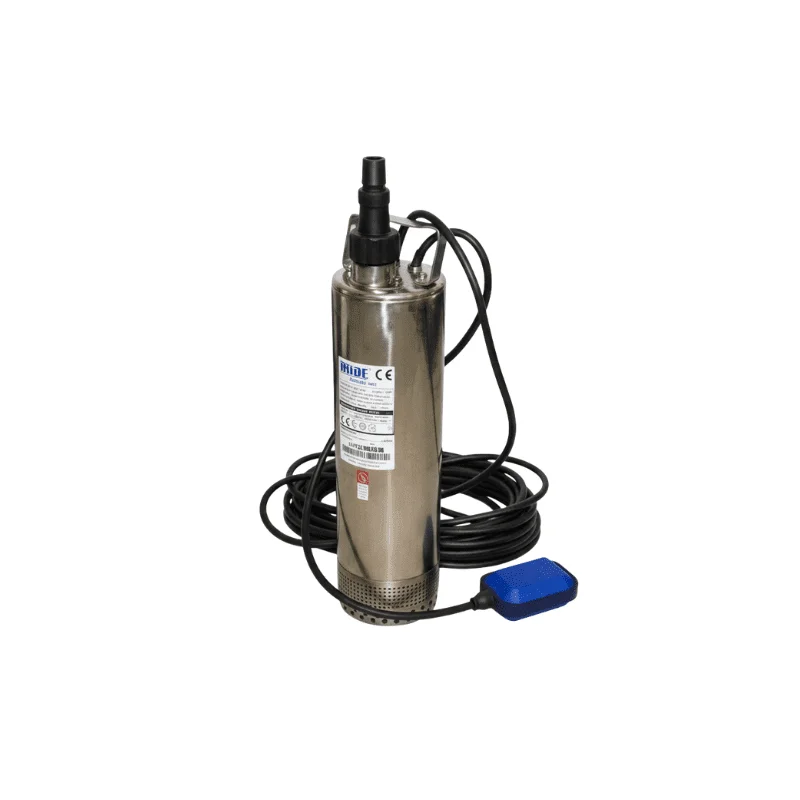 1.5 HP Solar Submersible Borehole PumpKSh 48,500
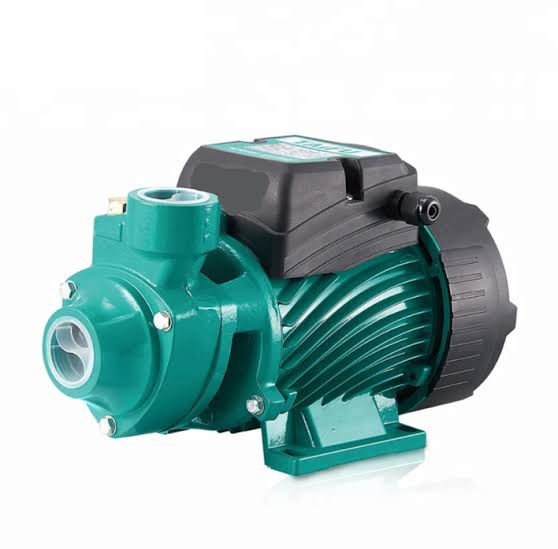 1 HP Electric Booster Pump (Single-Stage)KSh 18,000
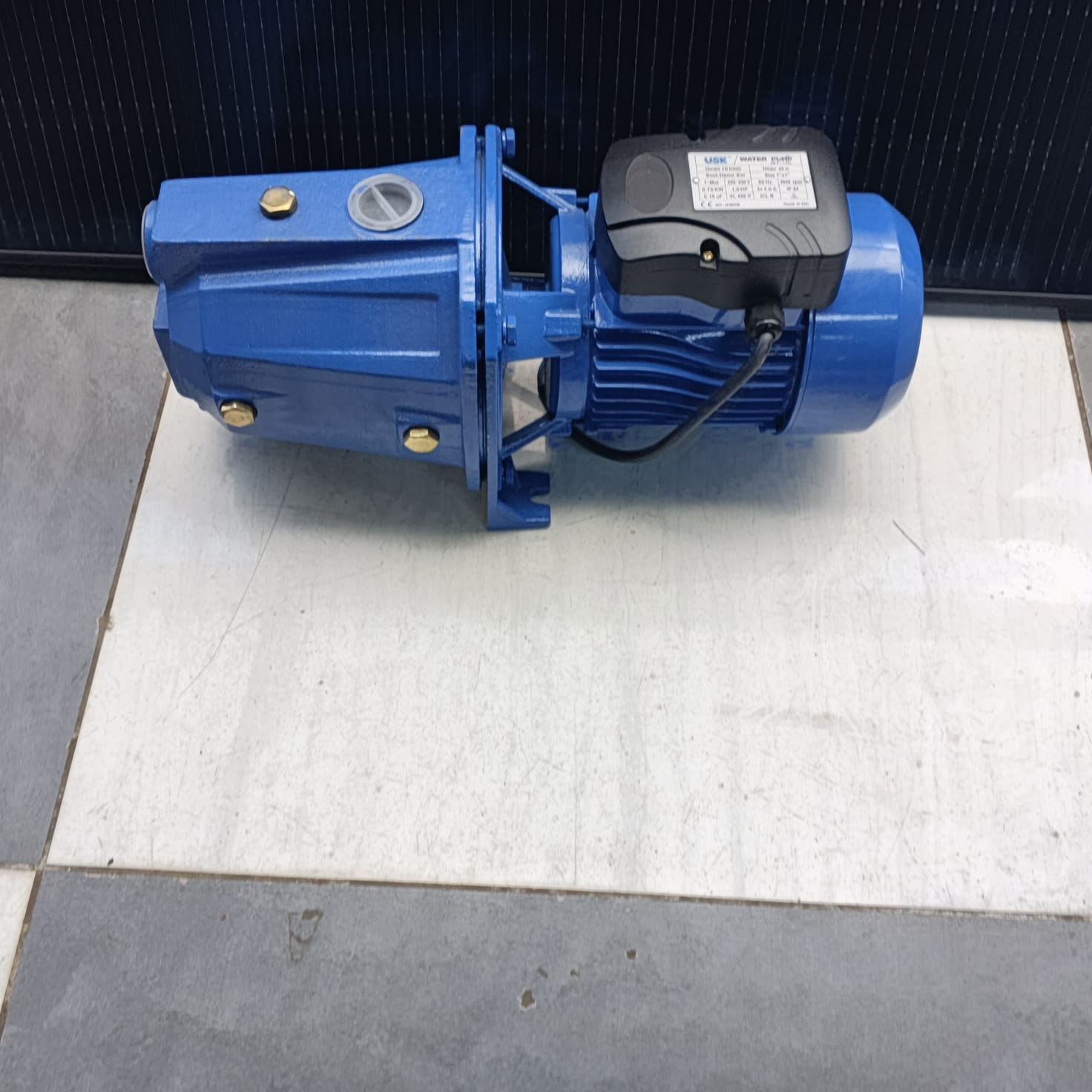 1 HP Solar Booster PumpKSh 10,000
- 1 HP Solar Submersible Borehole PumpKSh 36,000
Browse all irrigation products or ask DripTech to size a system for your farm.