DripTech Eco-Flow | Irrigation equipment in Kenya
Fish pond liners and aquaculture water systems in Kenya
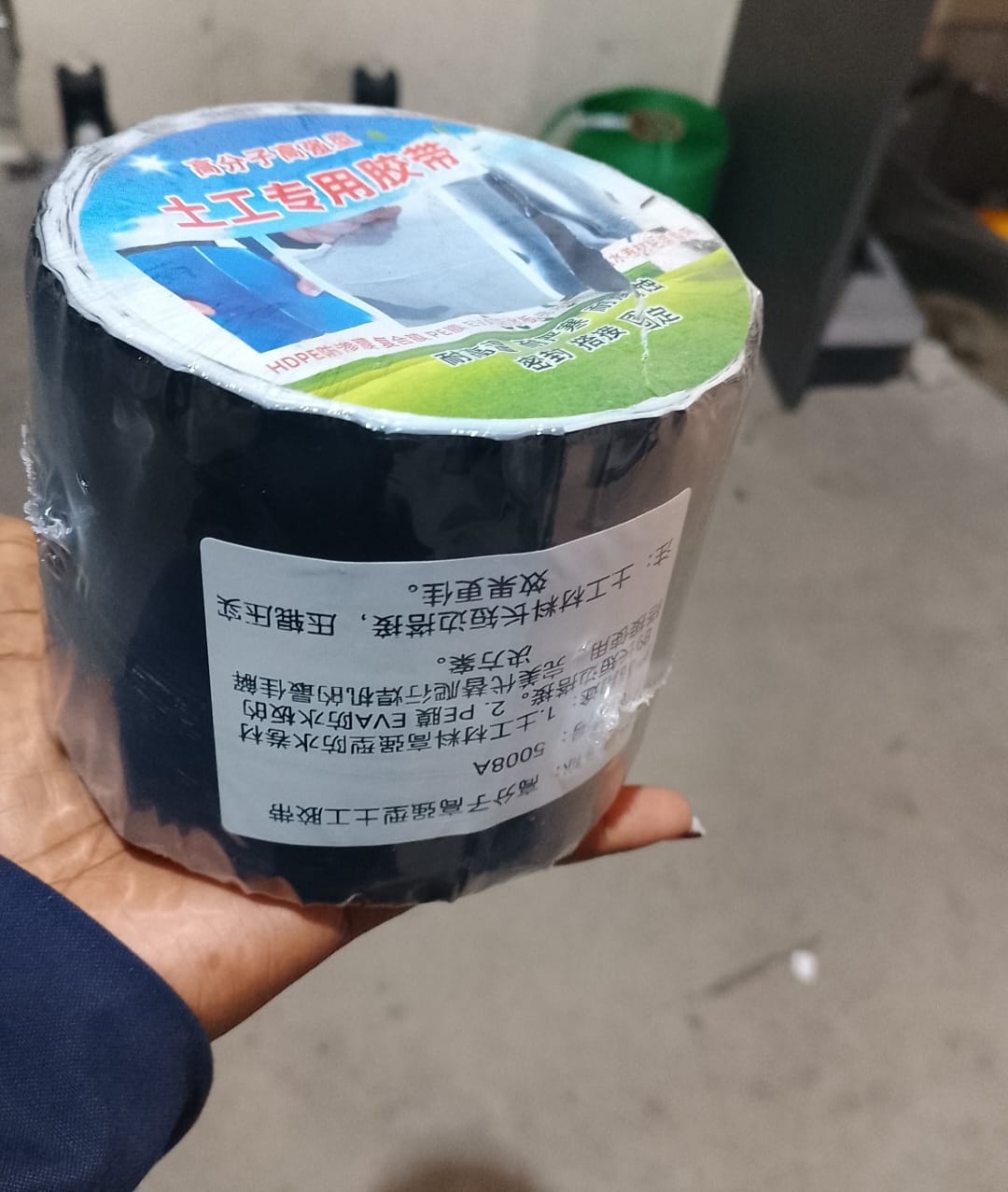
Commercial and smallholder tilapia and catfish farmers in Kenya use UV-stabilized HDPE pond liners to retain water in porous soils and raised tanks while integrating nutrient-rich pond water with vegetable drip irrigation.
Earthen fish ponds vs raised liner tanks
Earthen lined ponds are excavated into the ground and lined with 0.5 mm or 0.75 mm UV-stabilized HDPE geomembrane. Raised wooden, steel-mesh or masonry-supported liner tanks use heavier pre-welded or custom-fitted HDPE liners where space is compact or excavation is impractical.
Ensure the liner material is fish-safe virgin HDPE and that drainage outlets, bottom drains and overflow standpipes are sealed with watertight flanges.
Integrating fish pond water with farm drip irrigation
- Pond water discharged during water exchange contains dissolved nutrients useful for vegetables and orchards
- Always pass fish pond water through a multi-stage disc or screen filter before it enters drip emitters
- Flush mainlines and drip laterals regularly to prevent organic biofilm buildup inside emitters
- Size the replacement water supply (borehole, rainwater pan or tank) to maintain pond oxygen and water levels
Frequently asked questions
What thickness of liner is recommended for fish ponds in Kenya?
0.5 mm HDPE liners are common for smooth earthen ponds, while 0.75 mm or 1.0 mm is preferred for stony ground or raised structural tanks.
Can I use fish pond water in a drip irrigation system?
Yes, provided you install good disc filtration and clean the filter frequently, because fish pond water carries organic particles and algae that can block unfiltered emitters.
Products you can use for this
 1 inch Y-strainer filter, 150 meshKSh 2,925
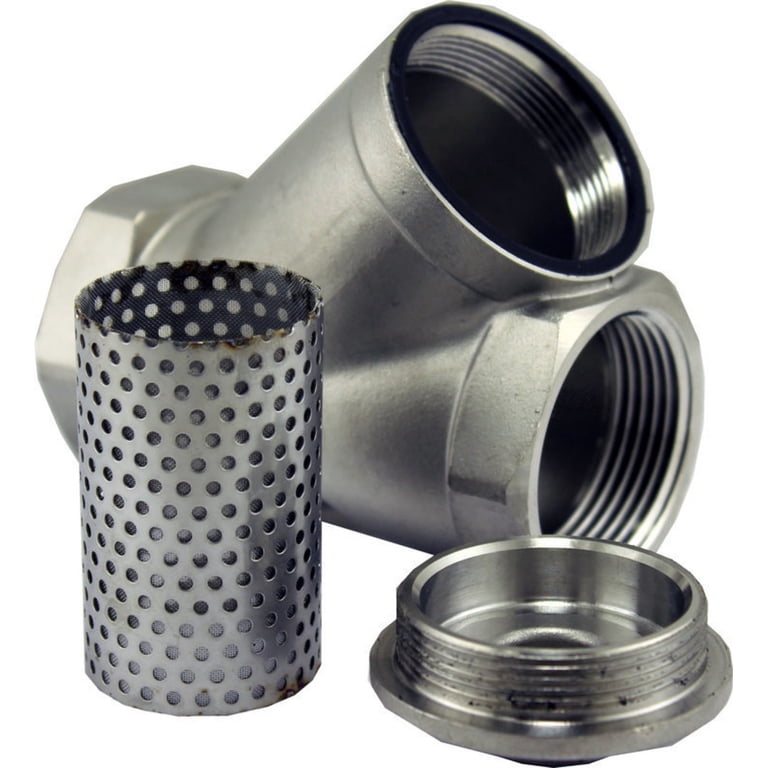 1 inch Y-strainer filter, 80 meshKSh 1,560
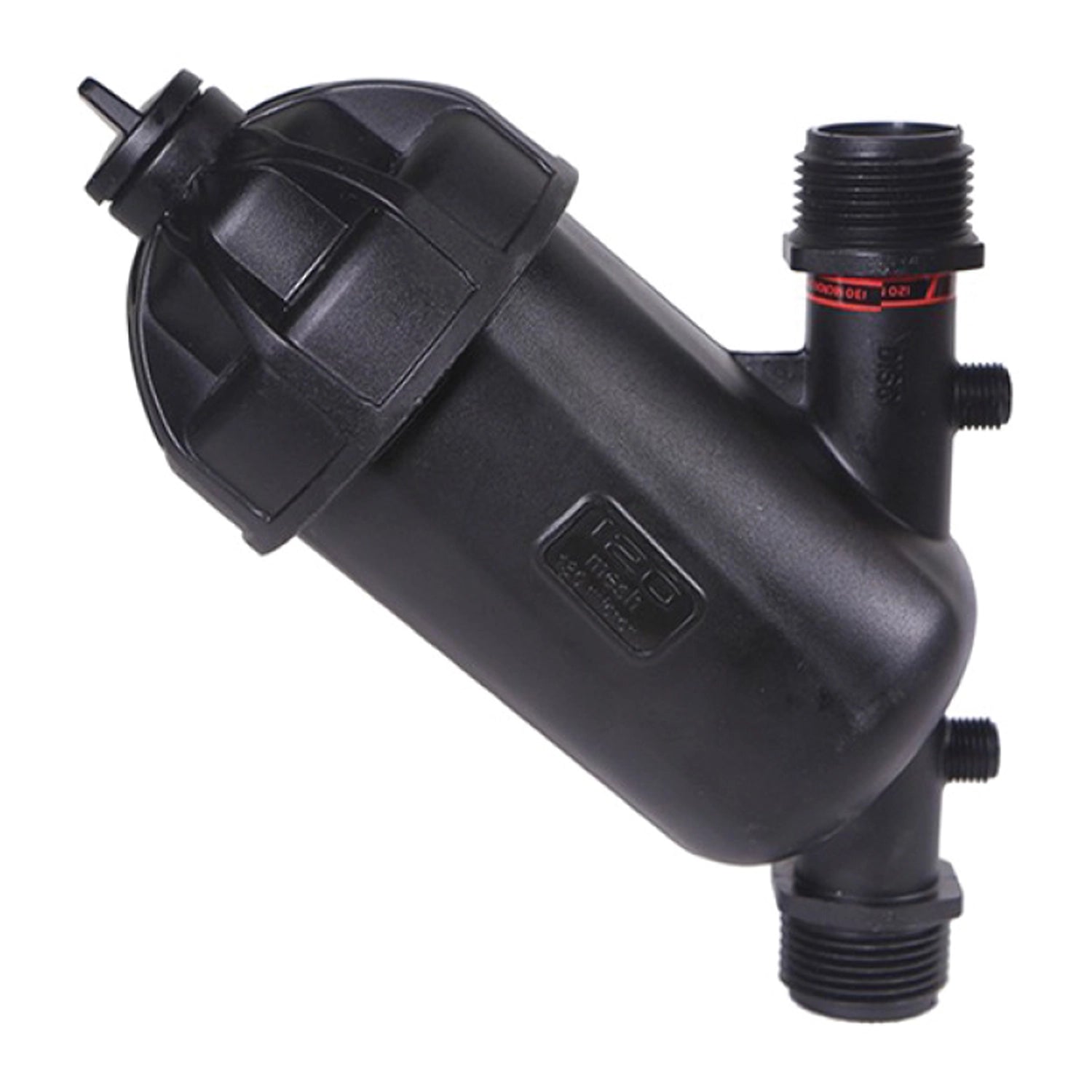 3/4 inch Disc filter, 120 meshKSh 2,640
 3/4 inch Disc filter, 150 meshKSh 3,300
Browse all irrigation products or ask DripTech to size a system for your farm.