DripTech Eco-Flow | Irrigation equipment in Kenya
Pump & Motor Installation, Maintenance & Troubleshooting Guide
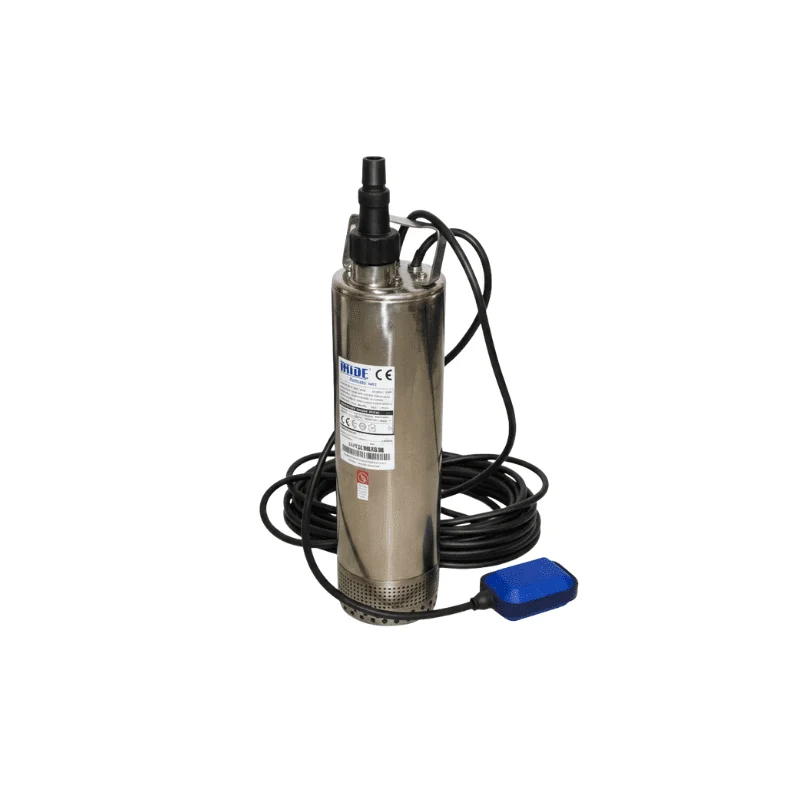
Proper mechanical installation, electrical insulation verification, and surge grounding double the service life of borehole submersible motors, solar VFDs, and surface centrifugal pumps across Kenyan farms. Use this engineering reference during commissioning and field fault diagnostics.
Mechanical Installation Standards (Check Valves, Depth & Cooling Shrouds)
Most mechanical submersible failures trace back to backspin upthrust on shutdown, sand pumping near the borehole base, or inadequate water velocity past the motor shell. Following OEM installation clearances from Franklin Electric and Grundfos prevents immediate stage seizure and thrust bearing failure.
- First Check Valve Within 25 ft (7.6 m): If not built into the pump discharge, fit the first spring-loaded non-return valve within 25 ft above the pump and below the dynamic drawdown water level. Add extra inline check valves every 200 ft (~60 m) on deep borehole columns to stop water-hammer shock and backspin upthrust
- Pump Setting Depth: Position the intake 5–10 m below dynamic pumping water level (PWL) so seasonal drawdown never uncovers the suction screen, and keep 3–5 m minimum clearance above the borehole bottom to prevent silt and sand ingestion
- Mandatory Cooling Sleeve / Flow Inducer: Whenever borehole casing ID is wide enough that annular water velocity over the motor drops below OEM minimum cooling velocity, or in top-feeding aquifers, open dams, and storage tanks, fit a stainless or uPVC cooling shroud over the motor
- Surface Suction Limits in Kenya Highlands: At 1,500–2,000 m elevation (Nairobi, Nakuru, Eldoret, Nanyuki), atmospheric pressure drops to ~80–84 kPa—meaning total suction lift plus strainer/elbow friction must stay below 5.5–6.0 m to prevent cavitation
- Never Run Dry or Dead-Head: Fit low-water electrodes or dry-run protection relays and confirm at least one mainline/bypass relief path stays open before energizing
Electrical Commissioning: 500V DC Megger Tests & NEMA Power Limits
Before lowering any borehole pump—and after pulling a tripped unit—never rely on a simple continuity buzzer. Always disconnect the drop cable from the VFD/starter and perform a 500V DC Megohmmeter (Megger) insulation resistance test from each motor lead to earth/frame, plus phase balance diagnostics.
| Diagnostic Measurement | Standard Threshold | Field Verdict & Required Action |
|---|---|---|
| New Motor Uninstalled (no drop cable) | >= 200 MΩ | Factory-mint stator winding insulation; clear for waterproof cable splice. |
| Used Motor Out of Well | >= 10 MΩ | Good winding insulation; fit to re-install with clean resin/heat-shrink splice. |
| New Motor + Drop Cable Submerged in Well | >= 2.0 MΩ | Acceptable commissioning reading; log baseline value in maintenance book. |
| In-Well Operating Motor + Cable | 0.5 – 2.0 MΩ | Aging insulation; monitor trend every 3 months and schedule proactive splice check. |
| Faulted Submersible Winding / Wet Splice | < 0.5 MΩ | CRITICAL FAULT — Do not energize. Pull column to inspect pinched drop cable or submerged resin joint. |
| 3-Phase Supply Voltage Unbalance (NEMA MG-1) | <= 1.0% ideal (never > 5%) | Note: Just 5% voltage unbalance triggers 30%–50% phase current unbalance (6–10x multiplier), burning one stator phase rapidly. |
| Earth Grounding Electrode Resistance | < 25 Ω NEC (< 5–10 Ω lightning zones) | Single-point bond control panel, steel casing, PV rack & surge MOV arresters to stop Ground Potential Rise flashover. |
Solar PV Pump & Motor Troubleshooting Matrix
Modern MPPT solar pump controllers flash fault codes for electrical protection before destroying the motor. Isolate AC/DC breakers completely before opening junction boxes or hoisting drop cables.
| Fault Symptom / Alert | Primary Root Cause | Systematic Diagnostic & Corrective Fix |
|---|---|---|
| Dry Run / Low-Water Trip | Dynamic water level dropped below intake, clogged strainer, or faulty probe wiring | Inspect borehole yield vs pump rate, check electrode continuity, lower pump only if casing clearance allows, or throttle valve slightly within 70–120% BEP. |
| DC Overvoltage Shutdown (Cold Dawn) | PV open-circuit Voc spikes in crisp cold mornings above controller Vdc max | Re-calculate series panel count using Voc(cold) thermal factor (~+0.35%/degC below 25 degC) and re-string parallel strings. |
| Low Irradiance / Frequent Cycling | Cloud cover, panel dust/bird droppings, tree shade, or undersized PV Wp vs static lift | Clean solar glass with plain water early morning, prune shade, confirm VFD minimum Hz setting, or add PV panels / buffer storage tank. |
| Motor Blocked / Locked Rotor Overcurrent | Borehole sand locking, iron-bacteria crust, jammed impeller stage, or frozen bearing | Lock out all breakers, inspect phase-to-phase ohms, lift pump, flush jammed sand/scale safely, and check well gravel pack. |
| Gravel/Popping Sound + Surging Flow | Suction cavitation on surface pumps or air sucked through loose suction flange | Reduce vertical suction lift below highland limit (<5.5 m), tighten foot-valve/union gaskets, upsize suction pipe diameter. |
| Supply Balanced (<1% V) but Current >5% Off | High-resistance waterproof splice, pinched drop cable, or winding turn fault | Swap supply phase rotation to test whether unbalance stays on same cable leg (motor/cable fault) or moves with utility phase. |
Preventative Pump & Motor Maintenance Schedule for Kenyan Farms
- Weekly Checks: Listen for cavitation popping or bearing rumble, verify clean disc/screen filter differential pressure, inspect suction unions for weeping/air entry, and verify gland seal packing drips slightly (surface split-case units)
- Monthly Checks: Wash solar PV arrays in cool morning light to recover 5–15% dust losses, verify lightning surge arrester status flags, check pressure tank pre-charge, and inspect valve chamber leaks
- Seasonal / Quarterly Checks: Measure and log running amps per phase, check float/electrode dry-run response, confirm VFD cooling fan vents are clear of chaff/insects, and flush drip mainlines & sand separators
- Annual Technical Audit: Log 500V DC Megger MΩ trend alongside static/dynamic water levels to catch cable insulation aging or aquifer drawdown months before harvest-season failure
Frequently asked questions
What is the minimum safe Megger insulation reading for a submersible borehole pump?
Per Franklin Electric AIM standards, an uninstalled new motor should read >= 200 MΩ at 500V DC, and a brand-new motor plus drop cable suspended in the well should read >= 2.0 MΩ. Anything below 0.5 MΩ indicates water ingress or damaged insulation—do not run until pulled and repaired.
Why do I need a check valve within 25 ft of a submersible pump discharge?
Without a nearby non-return valve, standing riser water drains backward when the pump stops, spinning impellers in reverse. If the pump restarts while backspinning or with zero backpressure, severe thrust-bearing upthrust can shear the shaft coupling.
When is a cooling shroud sleeve mandatory on a borehole or tank pump?
Whenever the pump is set inside a large-diameter casing, open water pan/tank, or below the aquifer inflow perforations where upward water velocity past the motor housing is too slow to carry away stator heat.
Why does a 5% voltage imbalance trip or burn out a 3-phase irrigation motor?
Under NEMA MG-1 motor physics, small phase voltage imbalances multiply 6x to 10x into phase current imbalance—a 5% voltage unbalance causes 30%–50% current unbalance and extreme winding temperature rise in the overloaded phase.
Products you can use for this
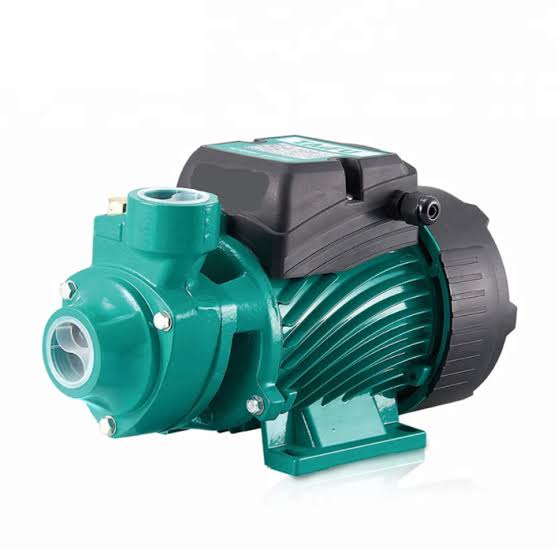 1.5 HP Solar Booster PumpKSh 40,000
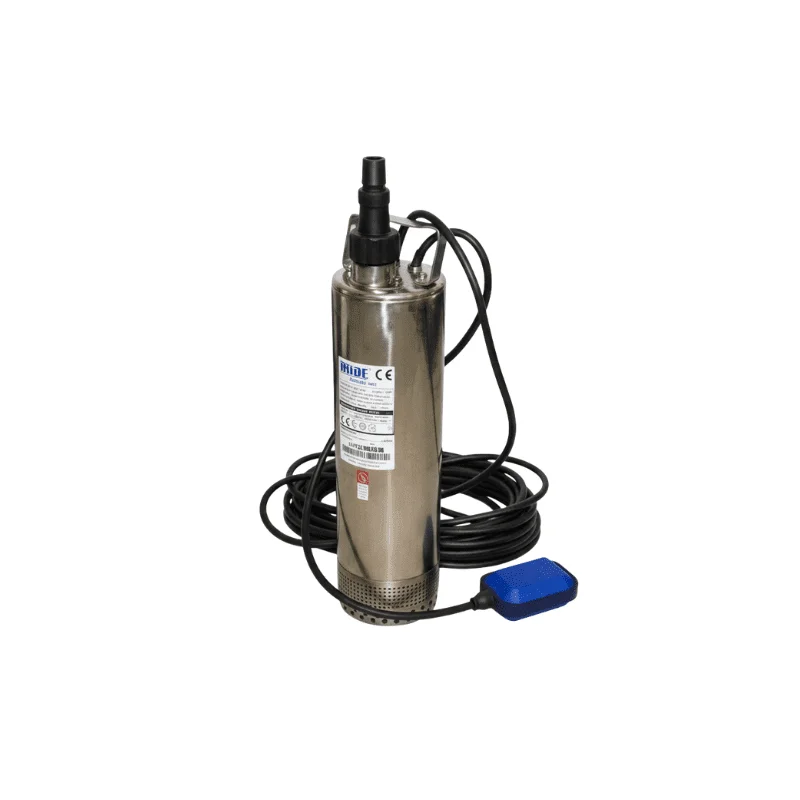 1.5 HP Solar Submersible Borehole PumpKSh 48,500
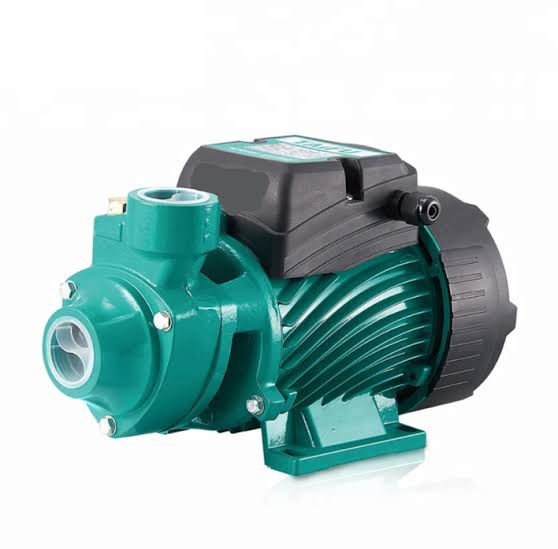 1 HP Electric Booster Pump (Single-Stage)KSh 18,000
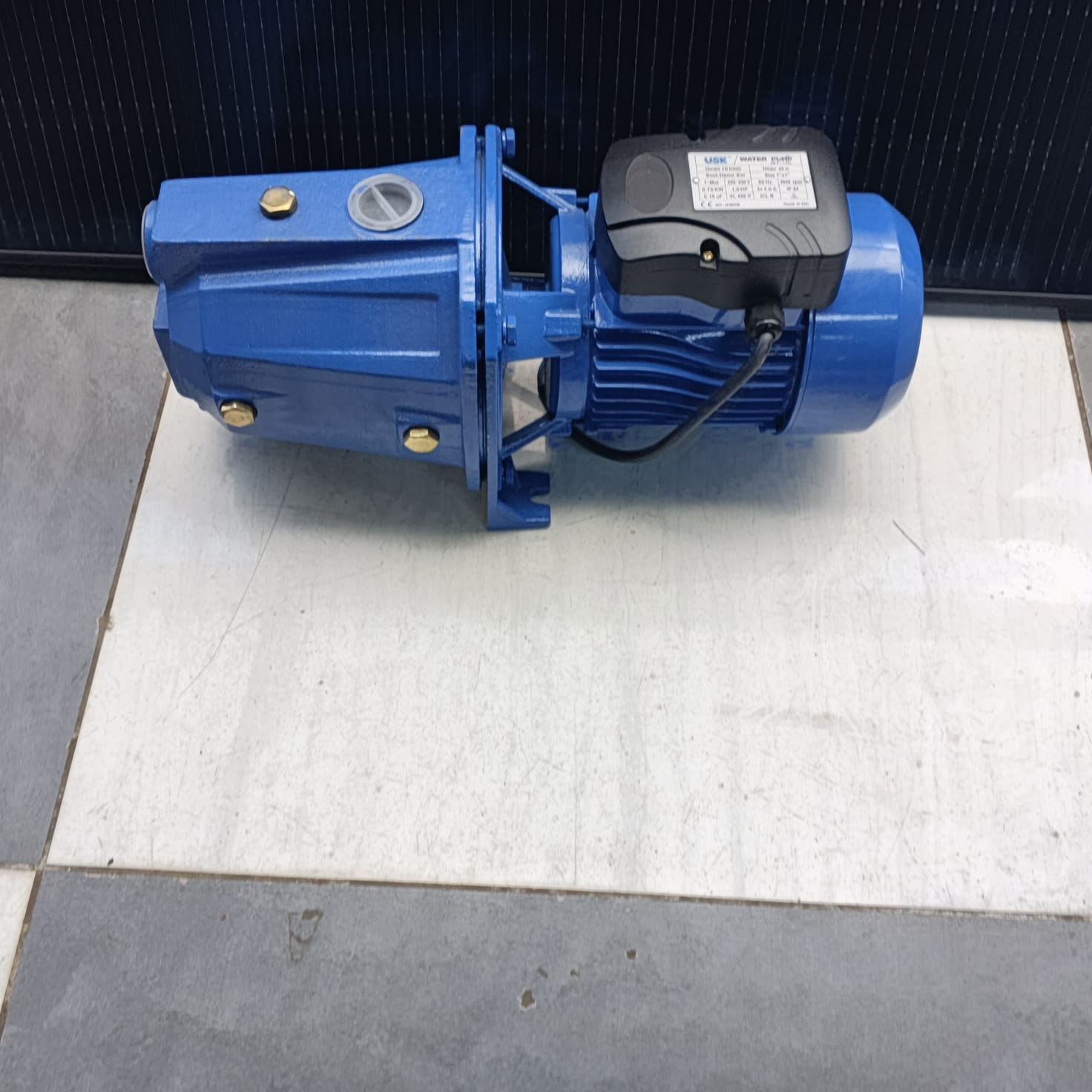 1 HP Solar Booster PumpKSh 10,000
Browse all irrigation products or ask DripTech to size a system for your farm.