DripTech Eco-Flow | Irrigation equipment in Kenya
Passion fruit irrigation in Kenya
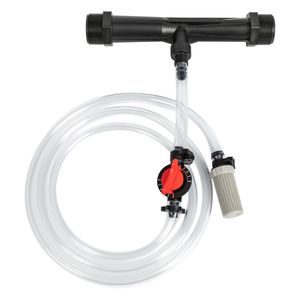
Passion fruit is a trellised perennial crop, so the irrigation layout differs from closely spaced vegetable beds. The right equipment depends on vine spacing, soil, water quality, terrain and the water supply available at the farm.
Why orchard-style irrigation may fit
Button drippers connected to a lateral line are commonly considered for passion fruit because each vine is a distinct planting point. Dripper flow and the number of emitters per plant should be selected from crop stage, soil wetting, available pressure and the design—not chosen only because a particular emitter is popular.
Some farms may use other irrigation methods during establishment or for specific field conditions. Compare water distribution, pumping needs, wind exposure and the crop's disease-management requirements before deciding.
Planning figures at a glance
These are common planning ranges, not a prescription. Variety, soil, climate, water quality and your agronomist's advice decide the final figures, so confirm them before ordering equipment.
| Design item | Common planning range | What changes it |
|---|---|---|
| Vine spacing | Often about 2–3 m between plants along the trellis row | Variety, trellis design and training method |
| Row spacing | Commonly about 2.5–3.5 m between trellis rows | Tractor or access needs and slope |
| Laterals per row | Usually one dripline lateral along each trellis row | Soil texture and how wide the wetting pattern needs to be |
| Emitters per plant | Commonly 1–2 emitters, often in the 2–4 L/h class | Soil, crop stage and the water you can supply |
| Filtration | Screen or disc filter, commonly around 120 mesh for drip | Water source and emitter specification |
Plan the components together
- Lateral pipe and button drippers matched to vine spacing and flow needs
- Mainline, submain, valves and fittings for manageable irrigation zones
- Filtration selected for source-water quality and emitter requirements
- Pressure regulation and flushing access where the design requires them
- Pump or gravity supply sized for the required flow and total dynamic head
- A layout that allows access for pruning, harvesting and trellis maintenance
Information to collect before requesting a quote
Share the planted area, row and vine spacing, water source, approximate elevation difference, source flow and whether the crop is newly established or mature. These details help determine the number of emitters, zone sizes, pipe dimensions and pump requirements.
Avoid using a universal irrigation duration as a rule: soil texture, weather, crop stage, emitter discharge and root-zone conditions change how much water a farm needs. Confirm scheduling locally and monitor soil moisture.
Frequently asked questions
Is drip irrigation suitable for passion fruit?
Drip is widely used for trellised perennial crops because water goes to the root zone along each row. The layout should follow your trellis rows and vine spacing.
How many emitters does each passion fruit plant need?
It depends on soil, climate and plant age. Many growers use one or two emitters per plant, but check the flow rate against your water supply and your agronomist's advice.
Should I use one lateral per row or two?
One lateral per row is common. Sandier soils or wider spacing can need more coverage, so check how far water spreads in your own soil.
What should I send to get a passion fruit quotation?
Send the plot dimensions, trellis row spacing, plant spacing, water source, elevation changes and available flow, and DripTech can prepare a farm-specific equipment list.
Products you can use for this
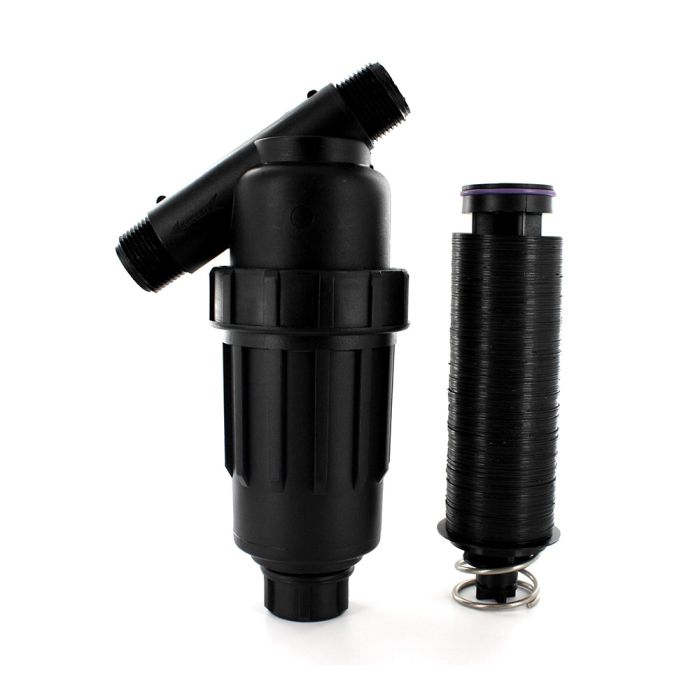 3/4 inch Disc filter, 150 meshKSh 3,300
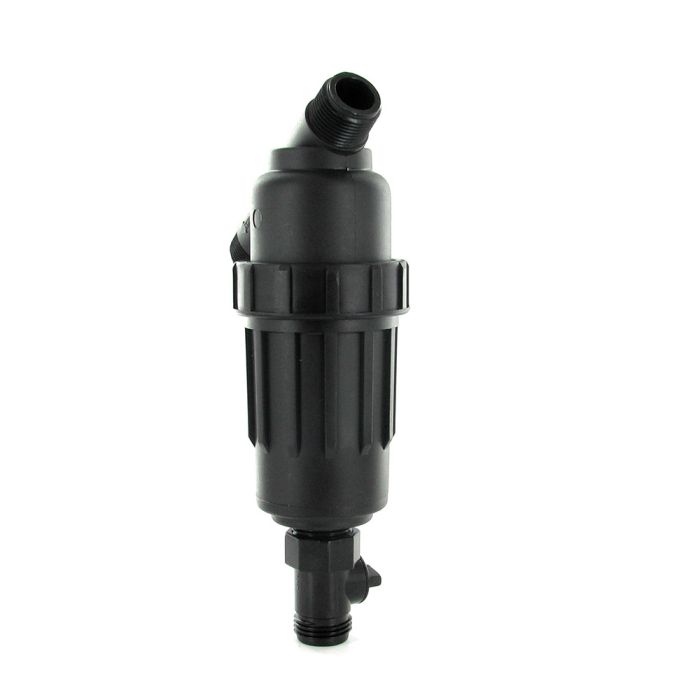 3/4 inch Inline screen filter, 120 meshKSh 1,440
 3/4 inch Inline screen filter, 150 meshKSh 1,800
3/4 inch Inline screen filter, 80 meshKSh 960
Browse all irrigation products or ask DripTech to size a system for your farm.
Local context and further reading
These references provide regional agricultural context. Confirm site-specific requirements, product specifications and service availability for each farm.