DripTech Eco-Flow | Irrigation equipment in Kenya
Macadamia orchard irrigation in Kenya
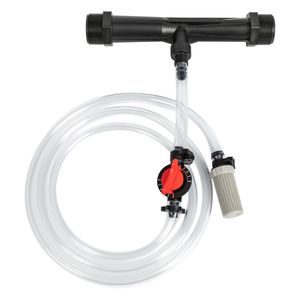
Macadamia is an orchard crop, and irrigation design should account for tree spacing, root-zone development, slope, soil and the farm's water supply. A system that suits young trees may need adjustment as the canopy and root system develop.
Design for the orchard, not just the acreage
Button drippers or other suitable localized emitters may be used for widely spaced trees. The emitter count, discharge and position should be based on tree age, soil wetting pattern, water quality and available pressure. Do not assume one emitter arrangement fits every orchard.
Consider how the wetted area will change as trees mature and whether the design should allow additional emitters or separate irrigation zones in future. Uneven terrain may require pressure management to keep delivery consistent.
Planning figures at a glance
These are common planning ranges, not a prescription. Variety, soil, climate, water quality and your agronomist's advice decide the final figures, so confirm them before ordering equipment.
| Design item | Common planning range | What changes it |
|---|---|---|
| Tree spacing | Orchard spacings such as 8 × 4 m or 10 × 5 m are common | Variety, slope and your planned canopy management |
| Laterals per tree row | One or two dripline laterals per row | Tree age, soil and wetting pattern needed |
| Emitters per tree | Often several emitters per tree, added as the tree grows | Tree size, soil infiltration and available flow |
| Emitter flow class | Commonly 4–8 L/h per emitter in orchards | Pressure, terrain and the zone size your pump can run |
| Zoning | Separate valves for young and mature blocks | Block layout, slope and the number of valves you can operate |
Macadamia system checklist
- Tree spacing, orchard block dimensions and tree age
- Water source yield, storage capacity and seasonal reliability
- Filter type matched to the source water and emitter specification
- Mainline and submain sizing for the intended zones and flow
- Emitter discharge, pressure regulation and flushing access
- Pump duty point based on flow and total dynamic head, if pumping is needed
Plan for operation and maintenance
Check filters, valves, leaks and emitter discharge routinely. If some trees receive less water than others, compare pressure and flow at different points before changing emitter sizes or watering duration.
A useful quotation should show the block layout, pipe sizes, emitter quantities, filtration, controls, pump assumptions and expansion allowances. DripTech can help prepare a preliminary equipment list from your orchard details.
Frequently asked questions
Do young macadamia trees need different irrigation from mature trees?
Usually yes. Young trees have a small root zone, so fewer emitters close to the trunk are common, and more are added as the canopy and roots grow. Plan the layout so you can extend it.
Is drip or sprinkler irrigation better for macadamia?
Both are used. Drip suits many orchards because it targets the root zone, but your slope, soil, wind and water supply should decide it.
How should I zone a macadamia orchard?
Separate valves by block help you irrigate young and mature trees, or different slopes, on their own schedules. Match zone size to the flow your pump or tank can supply.
What information does DripTech need to quote an orchard system?
Send the orchard size, tree spacing, tree age, slope or elevation change, water source and available flow so the equipment list can be sized properly.
Products you can use for this
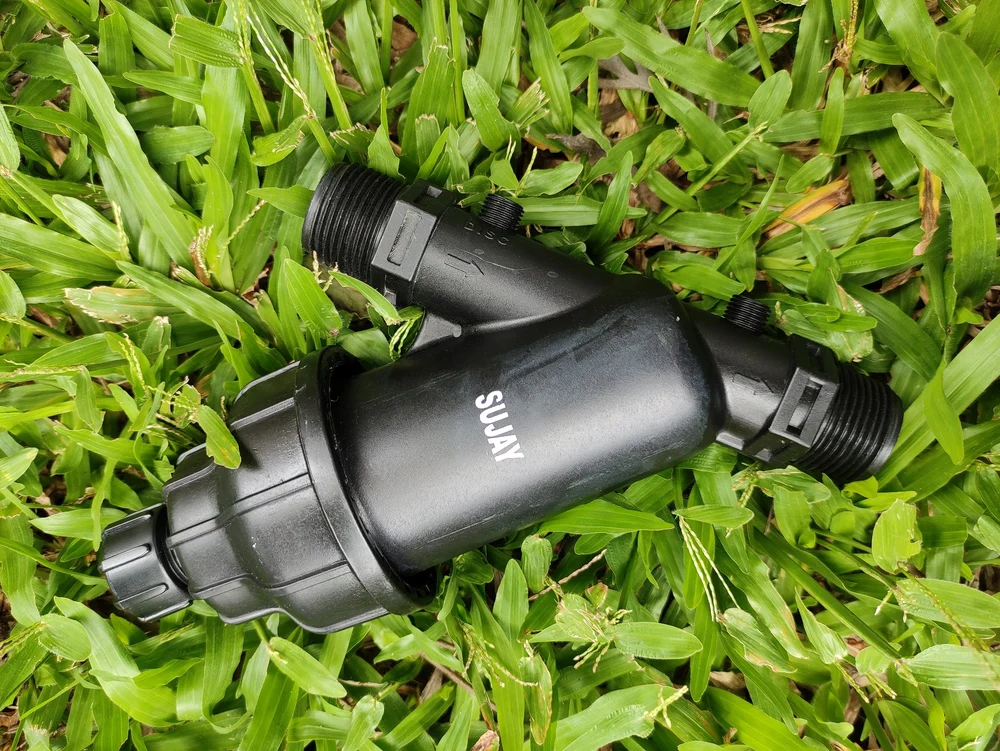 Drip Tech Y-Filter (Plastic, 2”)KSh 2,500
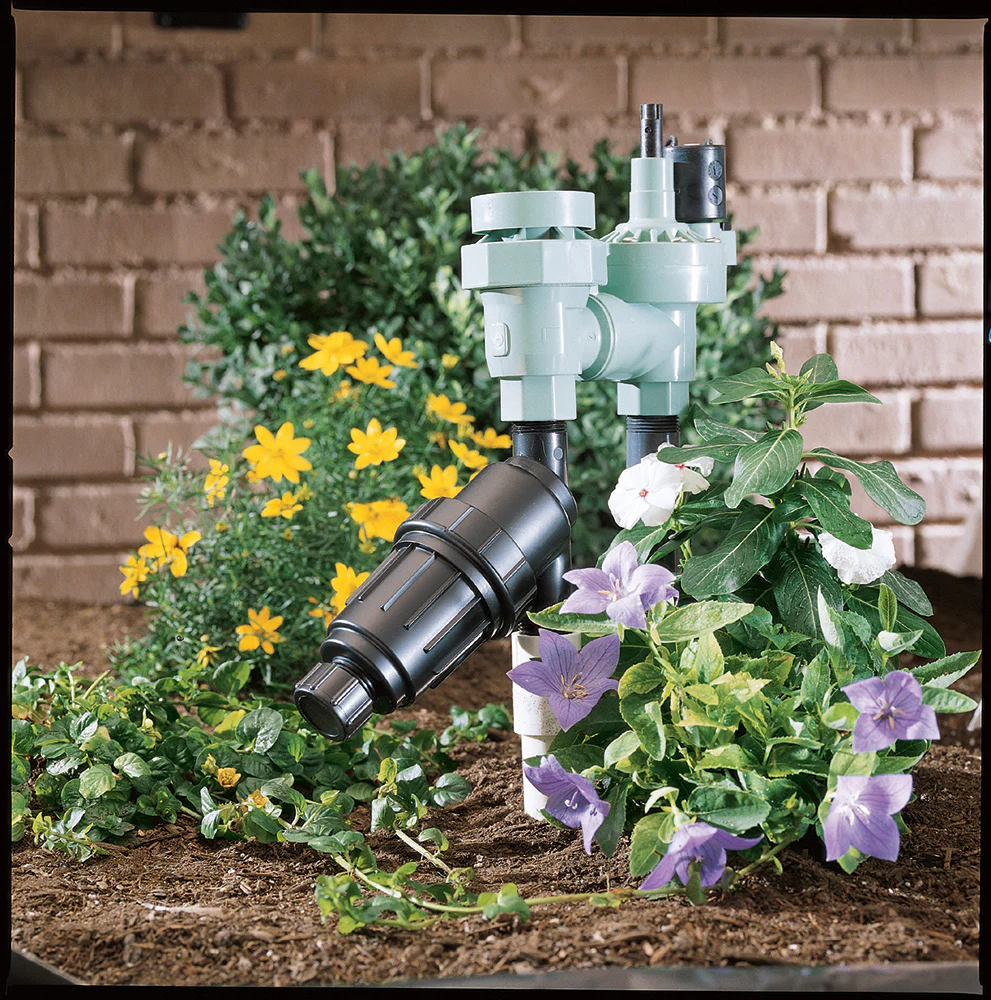 Drip Tech Y-Filter (Plastic, 3/4”)KSh 1,500
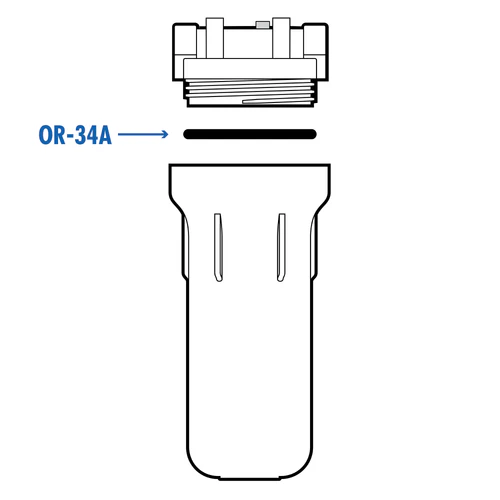 Filter O-RingsKSh 300
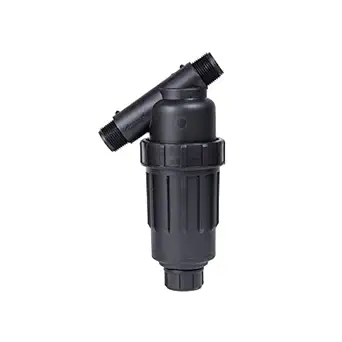 Y-Filter (Plastic, 1”)KSh 2,200
Browse all irrigation products or ask DripTech to size a system for your farm.
Local context and further reading
These references provide regional agricultural context. Confirm site-specific requirements, product specifications and service availability for each farm.