DripTech Eco-Flow | Irrigation equipment in Kenya
Garlic irrigation in Kenya
Garlic is commonly grown in rows or raised beds, so irrigation planning should start with the bed dimensions, planting pattern, soil and water source. This guide focuses on the equipment and design decisions to check before buying a kit; it is not a fixed watering schedule for every farm.
Choose a system around the bed layout
Drip tape or inline dripline can suit dense garlic beds when emitter spacing and flow match the planting pattern and soil. Some farms also consider rain hose or sprinklers, but the choice should account for water availability, wind, disease considerations and the uniformity required across the plot.
Do not decide the number of lines per bed from acreage alone. Bed width, number of planted rows, crop spacing, soil infiltration and the dripline's wetting pattern all affect the layout.
Planning figures at a glance
These are common planning ranges, not a prescription. Variety, soil, climate, water quality and your agronomist's advice decide the final figures, so confirm them before ordering equipment.
| Design item | Common planning range | What changes it |
|---|---|---|
| Bed width | About 1.0–1.2 m raised beds | Soil type, drainage, how you walk and weed the beds |
| Planting pattern | Rows roughly 15–25 cm apart, plants 8–15 cm apart in the row | Variety, bulb size target and local agronomy advice |
| Dripline per bed | 1–2 lines of drip tape or inline dripline | Bed width and how far water spreads sideways in your soil |
| Emitter spacing | Commonly 10–30 cm, closer on lighter soils | Soil infiltration and the planting pattern |
| Filtration | Screen or disc filter, commonly around 120 mesh for drip | Water source: borehole, river, dam or tank |
Equipment to include in the plan
- Drip tape or inline dripline matched to bed and plant spacing
- Mainline and submain pipes sized for required flow and length
- A screen or disc filter appropriate for the water source and emitter specification
- Control valves, connectors, end closures and flushing points
- A suitable pump or gravity-fed supply, after checking flow and pressure
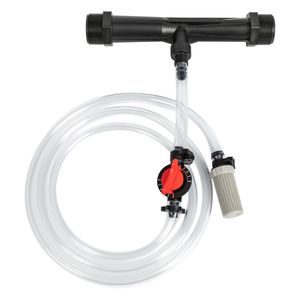
- Fertigation equipment only if compatible with the system and intended nutrient plan
Estimate the complete cost—not just the dripline
A realistic quote should list the dripline quantity, pipe sizes, filters, fittings, valves, water supply or pump requirements, installation and any field-specific civil work. Compare quotations using the same bed layout, pressure rating, included parts and delivery assumptions.
Before ordering, record the field dimensions, bed spacing, water source, elevation changes and available flow. DripTech can use those details to help prepare a farm-specific equipment list.
Frequently asked questions
What type of drip line suits garlic beds?
Drip tape or inline dripline with closely spaced emitters often suits dense garlic beds. The right choice depends on the bed width, soil and the pressure your water supply can give, so check these before choosing.
How many drip lines does a garlic bed need?
Many raised beds use one or two lines, but there is no fixed number. Bed width, number of planted rows and how far water spreads sideways in your soil decide it.
Do I need a filter for garlic drip irrigation?
Yes. Drip emitters block easily, so every drip system needs a filter matched to the water source and the emitter specification. Borehole and river water need different filtration.
Can DripTech prepare a quotation for my garlic farm?
Yes. Send the field dimensions, bed spacing, water source and available flow through the contact page, and DripTech can prepare an equipment list for your layout.
Products you can use for this
 1 inch Y-strainer filter, 120 meshKSh 2,340
 1 inch Y-strainer filter, 150 meshKSh 2,925
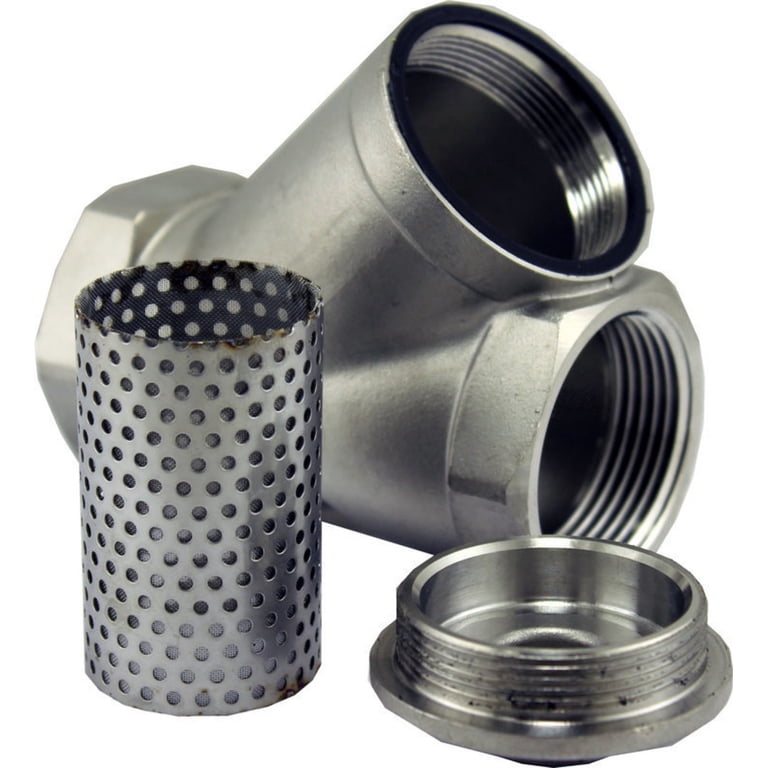 1 inch Y-strainer filter, 80 meshKSh 1,560
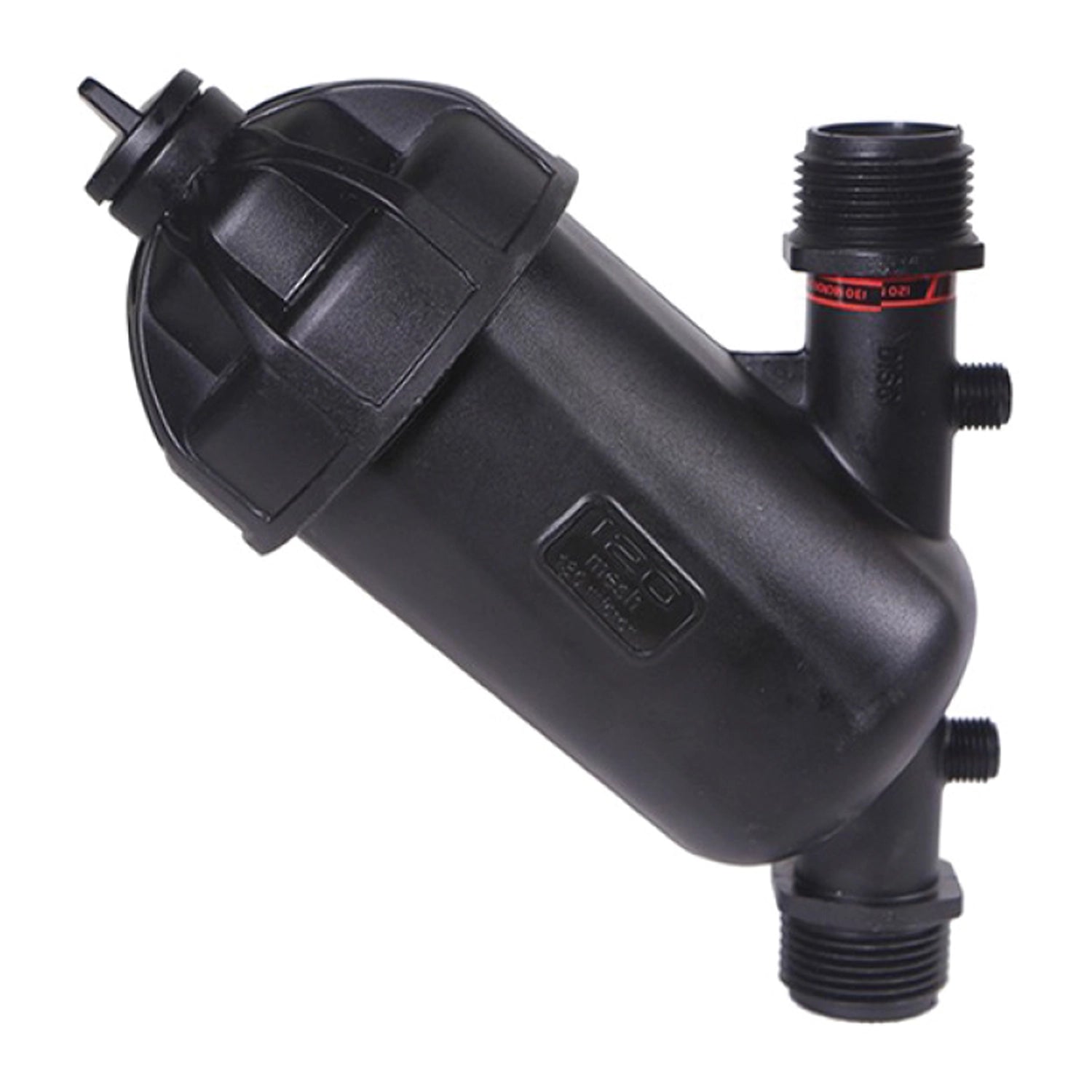 3/4 inch Disc filter, 120 meshKSh 2,640
Browse all irrigation products or ask DripTech to size a system for your farm.
Local context and further reading
- Aqua Hub — garlic irrigation guide (reference for topic coverage)
- Grekkon — garlic irrigation farming guide
These references provide regional agricultural context. Confirm site-specific requirements, product specifications and service availability for each farm.